Home · Services · Whole-Home Surge Protection
Whole-Home Surge Protection in Spring Hill, FL
Quick answer
One protector at the panel for a county where storm weeks kill boards in clusters: handlers, wells, and appliances defended together.
Surge protection in Spring Hill is lightning math: Hernando County's summer storm season is long, and the subdivisions' boards, handlers, well equipment, and appliances take the hits in clusters. A panel-level protector is the base layer; point protection rides on the equipment that has already died once.
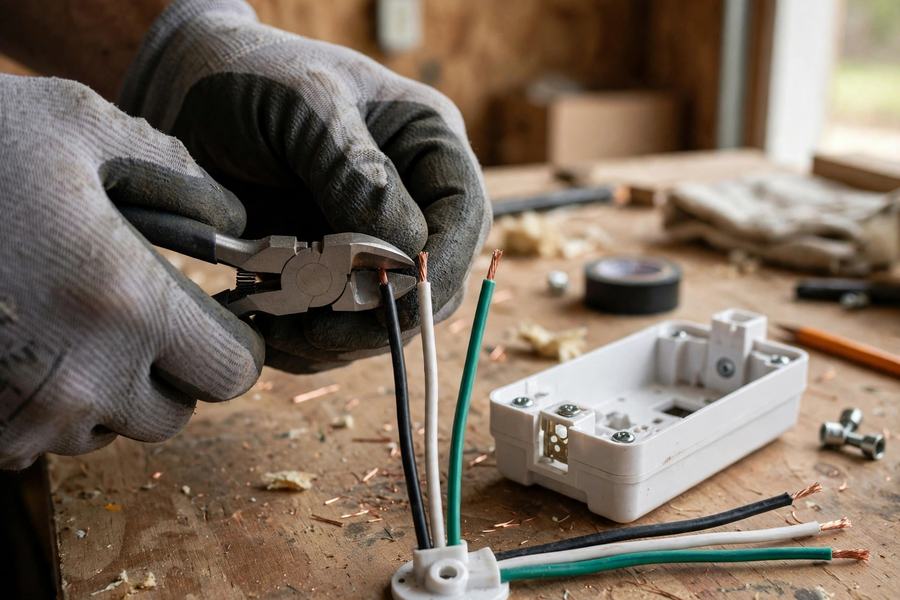
Signs you need whole-home surge protection
- A nearby lightning strike killed electronics or an appliance board
- The AC or a major appliance needed a control board after a storm
- You are replacing a panel or a generator is being installed and want the system protected as a set
- Frequent small outages and flickers suggest a surge active service
- A home full of modern electronics on older wiring with no protection at the panel
What the job involves
What affects the price
- Protector class and panel compatibility
- Grounding corrections needed for the device to perform as specified
- One panel versus multiple panels on larger services
- Whether the install rides along with a panel or generator job (cheaper together)
When it is an emergency
Surge protection is planned work, ideally before storm season, and it is prevention, not repair: it does not fix a system already damaged. After a strike that killed multiple devices, the order is assessment of what is damaged first, protection second, so the next storm meets a guarded panel.
PLACEHOLDERWhole-Home Surge Protection across the Spring Hill area
Related services
Emergency Electrical Repair
Emergency electrician help in Spring Hill for hot panels, burning smells, and storm outages, read at the meter first.
Breaker Panel Replacement & Upgrades
Panel replacement in Spring Hill, where each building wave left a different panel era and insurers read them differently.
Generator Hookup & Installation
Storm outage hookups in Spring Hill sized to the real list: fridge, lights, one cooling source, and the well pump on the lots that run on one.
Wiring & Rewiring
Rewiring and correction work across Spring Hill's waves, including the aluminum-era sections, scoped circuit by circuit rather than by the whole house.
Whole-Home Surge Protection questions, answered
When is whole-home surge protection an emergency?
Surge protection is planned work, ideally before storm season, and it is prevention, not repair: it does not fix a system already damaged. After a strike that killed multiple devices, the order is assessment of what is damaged first, protection second, so the next storm meets a guarded panel.
What affects the price of whole-home surge protection in Spring Hill?
The main price factors for whole-home surge protection are covered in the cost section above. The contractor confirms the exact price in a written estimate after seeing the job, and nothing is owed until you approve it. The call and the referral are free.
My GFCI outlet keeps tripping. Is it the outlet or something real?
Both are possible and the order of suspicion matters. A GFCI that trips with nothing plugged in and will not hold a test is often a tired device, and replacement settles it. A GFCI that trips when a specific appliance runs, or after rain at outdoor and dock locations, is reporting ground leakage from that appliance or water in a box, which is the device doing its exact job. At docks and pools, treat every trip as real until an assessment says otherwise, and keep people out of the water near a faulting circuit.
My home has aluminum wiring. Do I need to rewire the whole house?
Not automatically, and anyone who says so without opening devices is skipping the assessment. Aluminum branch wiring from the late 1960s and 1970s fails at connections, not mid-run, and the approved remedies work at the connections: devices rated for aluminum, or copper pigtails with listed connectors installed by an electrician, at a fraction of whole house rewiring. The evidence that decides is at the devices: overheated, discolored, or loose aluminum connections argue for the full remedy program; clean, tight, properly rated connections argue for a monitored plan. Get the device level findings in writing either way.
Some Spring Hill homes have aluminum wiring. What does that actually mean for me?
It depends on the era and the devices. Aluminum branch wiring from its build years is safe when it is terminated on rated devices with proper connections, and a hazard where later copper-rated devices were swapped in casually. The honest read checks the device ratings and connection condition circuit by circuit, and scopes corrections where they are needed instead of selling a whole-house verdict from the driveway.
Request a callback
Prefer to talk later? Leave your details and an independent local pro will call you back. No charge to you, no obligation.
Hunters Lake Electric is a free referral service. Submitting this form connects you with independent local contractors who provide the work.